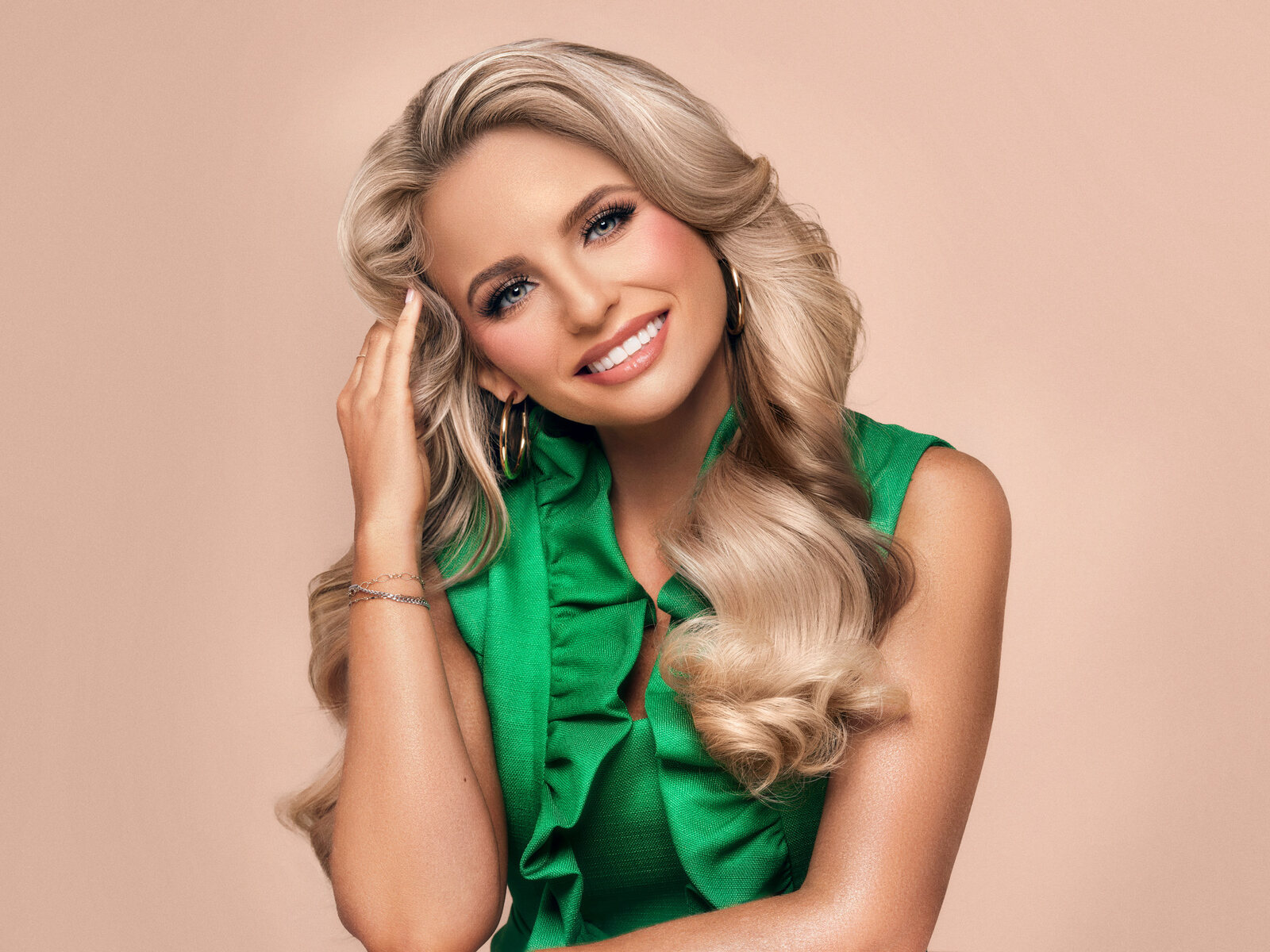
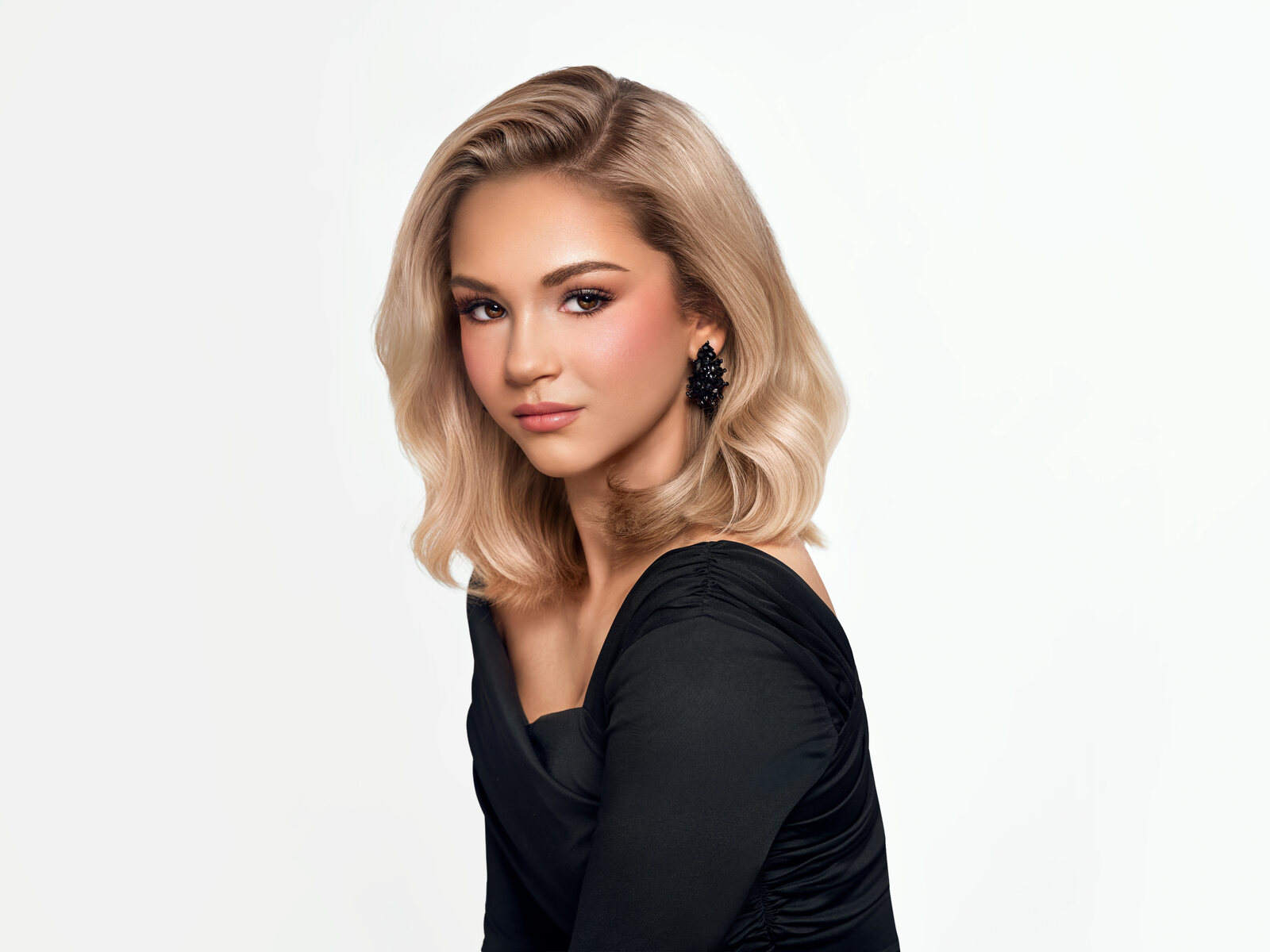
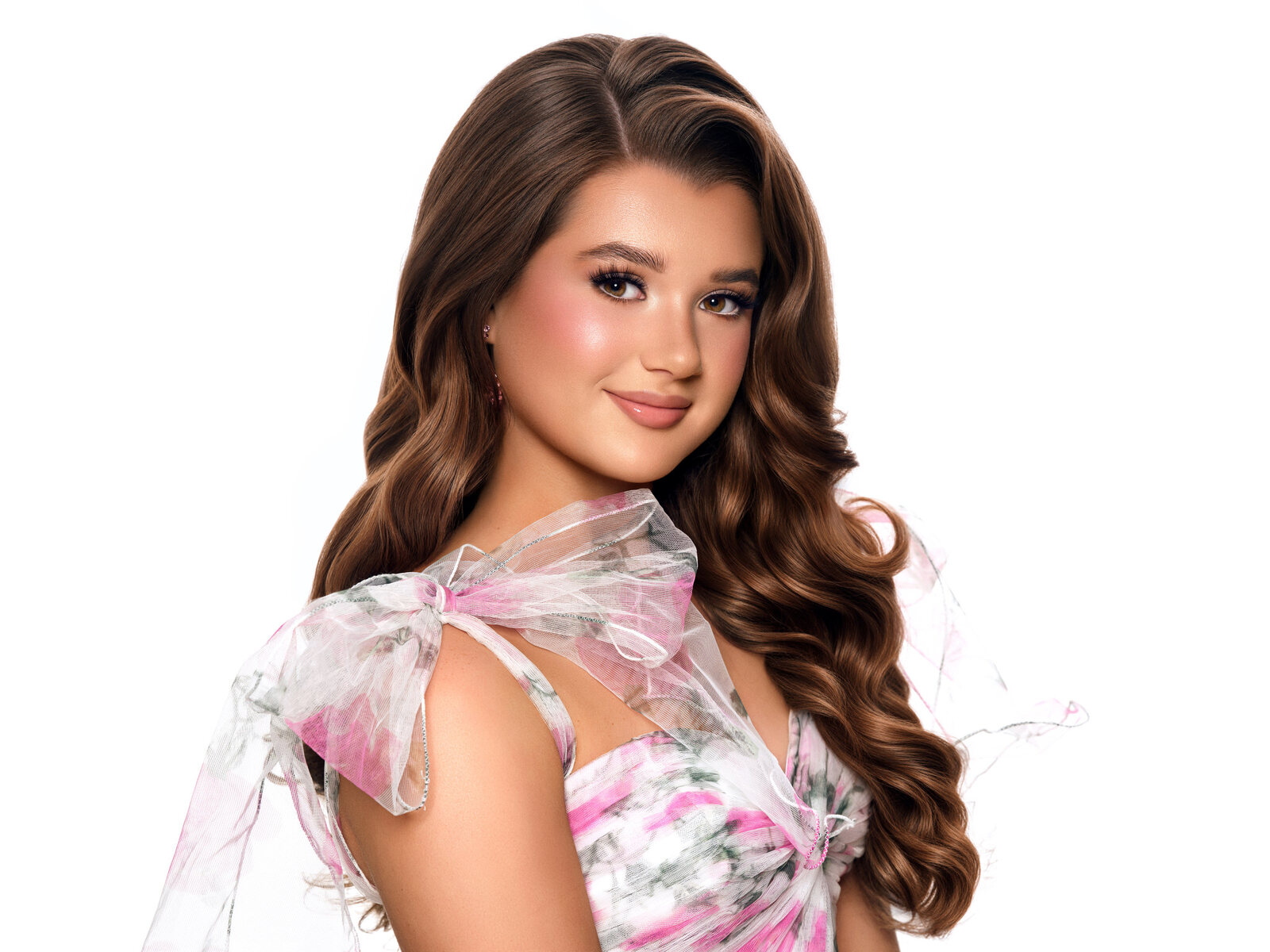
The judging happens without him. Days before a pageant weekend, or during it, a panel sits down with everyone's images and starts comparing. No photographer is present. No one is there to explain a choice. Ask Michael Cook where his work actually matters, and that is the room he points to.
They need to stand out.
That is the assignment, compressed. A headshot is not made to be admired on a wall. It is made to survive a side-by-side comparison against dozens of others, unaccompanied and unexplained.
He did not set out for this. He is a second-generation photographer, and he has been at it long enough that some of his equipment has started getting called vintage. Pageantry arrived from outside the building: a consultant came in from North Carolina to talk with the studio and mentioned pageants. That was the door. He walked through it.
So what survives the table? "What stands out is the one the eye connects with first," he says. Every decision in his process runs backward from that sentence. He shoots medium format. He selects images side by side on an eighty-inch television, which is as close as a studio can get to reproducing the conditions of a judging panel. And the retouching is done by hand, with professional-grade tools, deliberately.

There is no AI faces or swapped skin texture or anything of the sort.
He is just as clear about what makes a session work, and none of it is equipment. The best clients, he says, "show up rested with a great wardrobe and can just relax to let their personality show instead of trying to be someone else." Rest, wardrobe, and the willingness to stop performing — three things no photographer can supply on a client's behalf.
Away from the studio, he and his wife have a small Boston terrier named Pippi, and time spent with her is most of what he will claim for himself.
For the trade
Get the light right. That is half the battle right there.